Circular water in industry & cities
Industrial and municipal water reuse, smart metering, leak detection, resource recovery, nature-based circular solutions for water and wastewater.


Circular & climate-resilient blue economy for Central and Alpine Europe. A one-day, high-energy innovation sprint uniting students, startups, corporates, utilities, cities and researchers to co-create early-stage solutions for urgent water, marine and maritime (WMM) challenges.
The EIT Water & PDJF HACKATHON pilot brings together innovators from Central and Alpine Europe to fast-track ideas into Proofs of Concept (PoCs) that can feed into future pilots, accelerators and EIT-funded activities.
Form diverse teams across students, startups, corporates, utilities, city representatives, NGOs and researchers to tackle real WMM challenges.
Use the day to sketch PoCs, mockups, user journeys and quick feasibility checks that can be further developed after the event.
Focus on the Central & Alpine Europe context: rivers, lakes and urban-industrial systems that underpin a resilient blue economy.
Teams work on one of four tracks connected to EIT Water’s strategic goals: ecosystem protection, circularity and resilience.
Industrial and municipal water reuse, smart metering, leak detection, resource recovery, nature-based circular solutions for water and wastewater.
Tools and concepts to manage floods, droughts and extreme events in rivers, lakes and urban areas across Central & Alpine regions.
Monitoring, data, restoration concepts and governance ideas that protect and restore freshwater and marine ecosystems.
Digital twins, decision-support tools, GIS, dashboards and data platforms enabling better water management and blue-economy business models.
These organizations bring concrete water and circularity problems to the hackathon. More challenge owners will be announced soon.

Umwelttechnik BW
Challenge: Stream:line: An Interactive Assessment Tool for Circular Water Management in Industry
Many manufacturing companies lack a clear, structured overview of their internal water flows: how water is used in production and utility processes, how quality changes, and where it leaves the site as wastewater, evaporation, product content or other losses. Data is often missing, limited to one meter per building, or scattered and poorly organised.
The challenge is to design an intuitive, web-based self‑assessment tool that helps companies create a first water‑flow map with minimal technical effort. Based on volumes, qualities, process requirements and desired outcomes, it should provide a transparent, neutral overview of potentially suitable technology categories.
The tool should also outline applicability, testing and data needs, main cost drivers, expected benefits and limitations, distinguishing established from emerging approaches. The need is urgent due to water scarcity, climate‑related droughts, rising operating costs, stricter wastewater requirements and growing expectations for robust, data‑driven resource and investment decisions.
WU Wien (Vienna University of Economics & Business)
Challenge: Reporting on water use by mining actors is insufficient
The clean‑energy transition requires huge amounts of metals for solar, wind and related technologies. Because recycling can only cover a small share of rapidly growing demand, most additional metals must come from new mining projects—even as climate change increases water scarcity in many regions.
Mines compete with agriculture, local communities and ecosystems for limited water resources. To answer questions like who is using how much water, what impacts arise, which uses should be prioritised, and whether metal supply can keep pace under growing scarcity, detailed site‑level water‑use data is essential.
Today, reporting by mining and production sites is limited, patchy, heterogeneous and inconsistent—due to missing obligations, poor understanding of on‑site water cycles and a lack of water‑accounting capacity. The challenge is to rethink how data, indicators and reporting frameworks could make water use by mining actors transparent, comparable and decision‑relevant for ESG, due diligence and low‑impact supply chains.
Institute of Geophysics, Polish Academy of Sciences
Challenge: Earth Observation for real‑time mapping of algae blooms in freshwater systems
Advances in sensor technology and open satellite data are turning Earth Observation into a key tool for tracking surface‑water dynamics worldwide. This challenge focuses on using Landsat data to detect algae blooms and changes in water‑surface temperature in lakes and rivers, taking into account system size and image resolution.
Participants are invited to explore relationships between temperature patterns and bloom development, including with machine‑learning approaches, and to experiment with forecasting future blooms and risk maps under different pre‑conditions (e.g. when certain temperature thresholds are exceeded for several consecutive days).
A key outcome should be replicable workflows and clear, accessible instructions so that non‑experts—such as water authorities—can reuse the methods, scale them to other basins and integrate them into day‑to‑day management using freely available satellite imagery.
Siemens AG
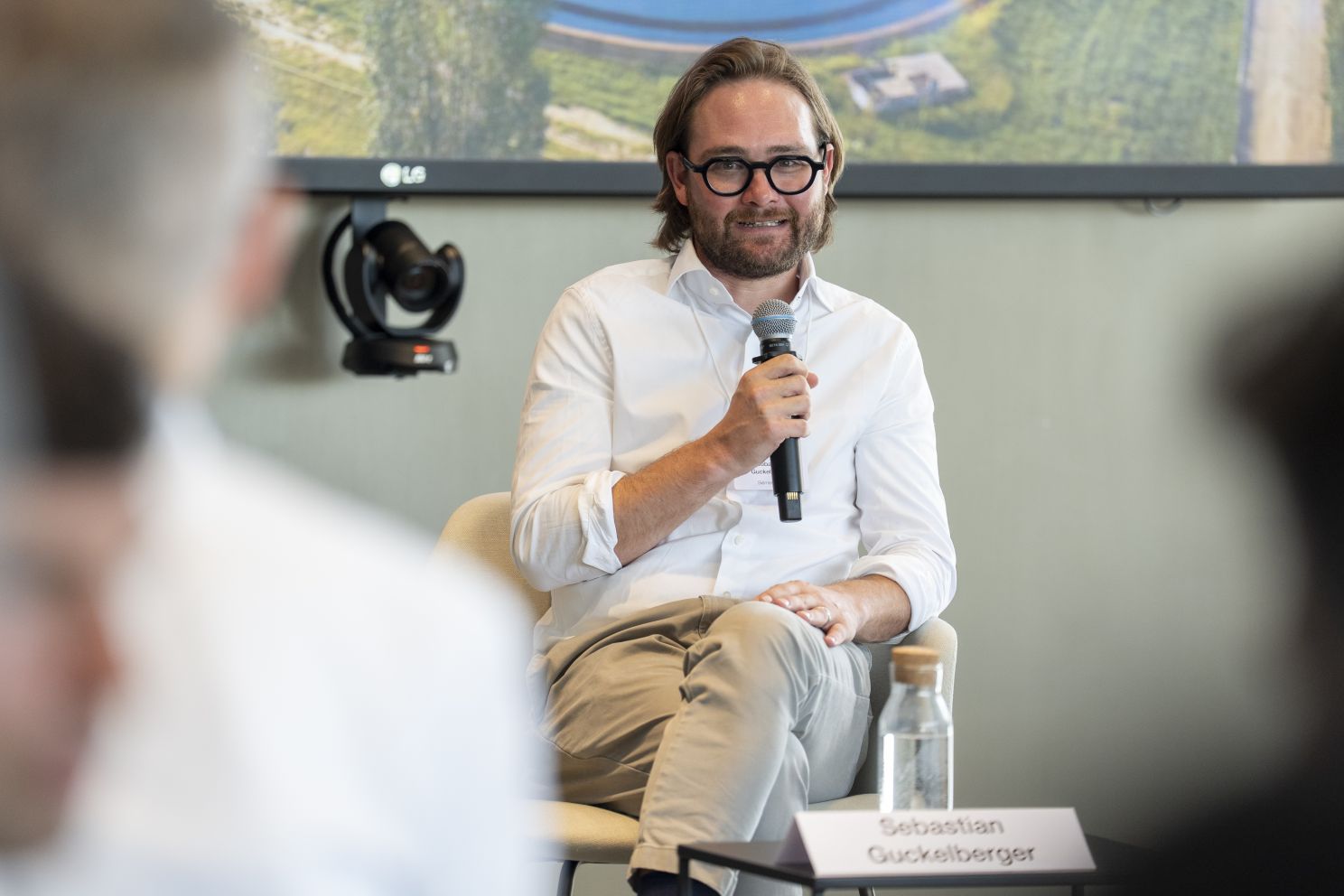
Challenge: One Water Intelligence: What Does It Take to Achieve Smart, Integrated Water Operations for a Resilient, Efficient and Sustainable Water Future?
Water and wastewater utilities face aging infrastructure, growing demand, climate‑change impacts (floods, droughts) and pressure to operate more efficiently, resiliently and sustainably. SCADA systems provide essential control, but truly optimising large, increasingly interconnected systems remains complex and often reactive and siloed.
With powerful AI/ML, widespread IoT sensing and the urgent need for climate‑resilient, circular water systems, there is a unique opportunity to move towards proactive, integrated “One Water” operations that reduce energy waste and water losses, support a digital workforce and ensure reliable services.
The challenge is to design concepts and approaches that turn data into actionable insights and operational workflows, including how recommendations are communicated to field teams. Solutions must respect real‑world constraints such as minimum pressures, tank reserves, pump operating windows, sewer capacity and overflow risks, water‑quality limits and safety‑critical control boundaries.
I AM HYDRO

Tallinn University of Technology (TalTech)

Challenge: Telling fish from drifting debris in underwater monitoring videos
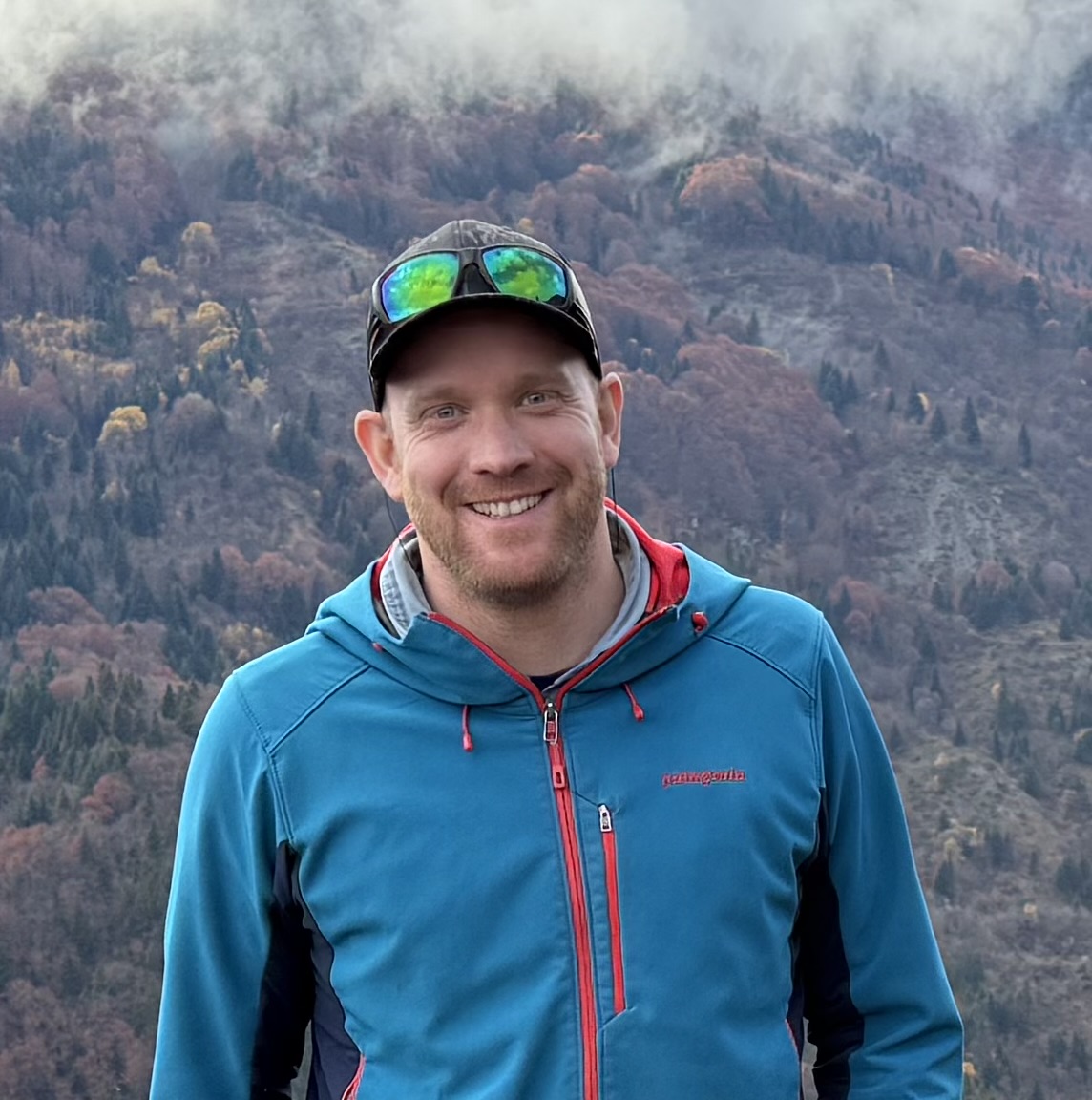
I AM HYDRO develops and operates AI‑supported underwater camera systems for monitoring fish passage facilities at hydropower plants and other river barriers. Cameras record continuously and trigger events via motion and image analysis. In real rivers, however, leaves, twigs, drifting debris, sediment plumes and air bubbles cause large numbers of false detections—especially after rainfall and high‑flow events, which is exactly when fish migration peaks.
A single station can generate thousands of events per day, most of them false triggers that must be reviewed manually. This severely limits how affordable and scalable camera‑based fish monitoring can become, even as regulations increasingly require proof that fish passages actually work.
The challenge is to explore concepts and approaches—building on modern computer vision and edge AI—that reliably distinguish fish from drifting debris and noise under real‑world river conditions, reducing false positives and making large‑scale, automated ecological monitoring feasible.
Challenge co-owner · TIWAG – Tiroler Wasserkraft AG
Challenge co-owner · BOKU University

Challenge: Sustainable Hydropower
Hydropower is the world's largest single source of renewable electricity generation, accounting for over 50% of global renewable power production and about 15% of total global electricity production. The flexibility of hydropower and the possibility to store energy (storage and pumped-storage) make it a backbone of the Energy Transition and the European Green Deal.
The European Water Framework Directive stipulated the implementation of manifold measures, among e-flows, fishways and hydromorphological measures. TIWAG and BOKU University as challenge co-owners have long-term experience in developing sustainable hydropower, for example through the CD-laboratory for “Sediment research and management” (2017–2024).
Sustainability in hydropower refers to electricity generation using water resources while actively minimising environmental, social, and governance (ESG) impacts. Key dimensions of sustainability are: (i) environmental protection (protecting biodiversity, maintaining river flows, and using fish-friendly infrastructure like fish passes); (ii) social responsibility (respecting surrounding communities, protecting cultural heritage, and fairly compensating or consulting affected populations and Indigenous groups); and (iii) climate alignment (renewable production that supports broader climate goals as evaluated by frameworks like the Hydropower Sustainability Standard).
The challenge is to identify site-specific best-practice solutions for the construction and operation of hydropower plants, including digitalisation and monitoring strategies that enable adaptive management.
CEO · Sinsoma

Challenge: Fostering Biodiversity with Amphibian Ponds
Amphibians are keystone species in small freshwater habitats that support and rely on both aquatic and terrestrial biodiversity. However, they are increasingly threatened by habitat loss, fragmentation, climate change, and the invasive chytrid fungi. Creating, restoring, and monitoring suitable and sustainable breeding ponds remains a major conservation challenge.
Large-scale success requires the involvement of as many stakeholders as possible – citizens, landowners, local authorities, NGOs and the business community, particularly to establish habitats on private land. Environmental DNA (eDNA) analysis provides a non-invasive monitoring tool that enables citizen scientists to detect amphibian species and the chytrid fungi from water samples they can easily collect.
Integrating eDNA analysis into a citizen science program would support targeted habitat restoration, improve biodiversity monitoring, and generate valuable data for landscape-scale conservation and rewilding effort.
This hackathon is your fast track into a growing pan-European water innovation community.
Turn problems into testable PoCs in a single day with structured facilitation and access to mentors.
Get feedback from experts in water technology, policy, finance, entrepreneurship and ecosystem building.
Meet participants from across Central & Alpine Europe and link into the broader EIT Water community.
Stand-out teams receive recognition, follow-up connection into EIT Water activities and support to keep developing their ideas.
A structured sprint from challenge framing to pitches and a joint reception with Bits & Pretzels guests on 28 September 2026, 10:00–20:00.
The jury will recognise outstanding hackathon teams and individual students for their impact, feasibility and alignment with EIT Water objectives.
Stand-out teams receive jury recognition, visibility in the EIT Water ecosystem and tailored introductions to explore pilots, collaborations or further support.
To recognise individual student contributions, we award:
Students from all teams can briefly pitch their individual contribution during the final pitch session and explain why they should receive a student award.
We welcome mixed teams of students, early-career professionals, startups, intrapreneurs, NGOs and public-sector innovators working on water, marine and maritime challenges.
Join the final pitches, award ceremony and networking reception (18:00–20:00) with Bits & Pretzels guests, partners and the EIT Water community.
Use this form to register for the finals & networking reception. If the embedded form does not appear, please refresh the page or check your browser privacy settings.
The hackathon will take place at Gewerbehof Ostbahnhof, Haagerstr. 5-11, 80339 München, offering collaborative workspaces, Wi‑Fi, breakout rooms and a stage for final pitches.
Address:
Haagerstr. 5-11
80339 München
Germany
The hackathon is organized by DEEP Ecosystems as part of the EIT Water & PDJF HACKATHON pilot, in collaboration with regional partners from Central & Alpine Europe.
International ecosystem-building organization supporting startup communities, innovation hubs, investors and public-sector partners across Europe.
The hackathon is one of EIT Water’s 2026 pilot activities, building collaboration formats and pipelines towards future EIT-supported initiatives.
Industrial, municipal, research and NGO partners help define challenges, mentor teams and explore follow-on opportunities for promising PoCs.
We welcome students, early-career professionals, startups, intrapreneurs, researchers, NGOs, utilities and city representatives from across Central & Alpine Europe.
No. You can join as an individual with relevant skills or ideas and form a team on-site, or apply as an existing startup or project team.
Early-stage PoCs: problem framing, value propositions, user journeys, basic technical concepts and impact logic that can be further developed after the event.
Details will be announced with the final call. We aim to keep participation accessible and supported by the EIT Water & PDJF pilot funding.
The working language is English to enable cross-border collaboration.
Apply or sign up via the forms on this page. Selected teams and registered guests will receive detailed information by email ahead of the event.
Bring your ideas to Munich on 28 September 2026 and help build circular, climate-resilient water systems for Central & Alpine Europe.
Coming over from Bits & Pretzels or curious about tech and the blue economy?
Sign up to attend the finals & networking reception with pitch presentations, award ceremony, and networking (see agenda: 18:00–20:00). Anyone interested in technology, startups, and the blue economy is welcome.

Get started today before this once in a lifetime opportunity expires.